

Każda osoba, która pracuje jako tatuator, wie jak trudne potrafią być pierwsze minuty spotkania z klientem obawiającym się bólu lub mającym szczególne oczekiwania. Jednocześnie, niespodziewane problemy zdrowotne lub niewłaściwe przygotowanie przed sesją mogą zepsuć efekt – a nawet zagrozić bezpieczeństwu zarówno klienta, jak i Twojemu. Kluczem do satysfakcji i bezpieczeństwa są konkretne działania jeszcze przed pierwszym nakłuciem igły.
Dzięki sprawdzonym technikom: od właściwej rozmowy przez wybór preparatów znieczulających aż po ocenę przeciwwskazań zdrowotnych, możesz znacząco poprawić komfort pracy i rezultaty gojenia. Poznasz sprawdzone sposoby na budowanie zaufania i unikanie nieporozumień, poparte praktyką i medycznymi zaleceniami.
Za chwilę przekonasz się, które kroki pozwolą Ci zapanować nad stresem klienta, skutecznie zadbać o jego bezpieczeństwo i sprawić, by wieści o Twoim profesjonalizmie rozchodziły się dalej. Warto wprowadzić te wskazówki już przy najbliższej sesji.
Spis treści
- 1. Skonsultuj oczekiwania i ograniczenia klienta
- 2. Sprawdź przeciwwskazania zdrowotne przed zabiegiem
- 3. Wybierz odpowiedni preparat znieczulający
- 4. Przygotuj i oczyść skórę klienta
- 5. Poinstruuj klienta o pielęgnacji przed tatuażem
- 6. Zastosuj środek znieczulający zgodnie z instrukcją
- 7. Monitoruj reakcje klienta podczas tatuowania
Szybkie Podsumowanie
| Kluczowy komunikat | Wyjaśnienie |
|---|---|
| 1. Rozmowy konsultacyjne są kluczowe | Jasno określ oczekiwania i ograniczenia klienta, aby uniknąć nieporozumień i zbudować zaufanie. |
| 2. Sprawdzaj przeciwwskazania zdrowotne | Zbieraj pełną historię zdrowotną klienta przed zabiegiem, aby zapewnić mu bezpieczeństwo i ochronić swoją reputację. |
| 3. Poprawny dobór znieczulenia | Wybierz odpowiedni preparat znieczulający, aby zminimalizować dyskomfort klienta i zwiększyć jego satysfakcję. |
| 4. Przygotowanie i czyszczenie skóry | Dokładne przygotowanie skóry klienta zapewnia lepszą jakość tatuażu oraz szybsze gojenie. |
| 5. Instrukcje dotyczące pielęgnacji przed tatuażem | Przekaż klientowi jasne wskazówki dotyczące przygotowania do tatuażu, co wpływa na ostateczną jakość efektu. |
1. Skonsultuj oczekiwania i ograniczenia klienta
Consultation to discuss client expectations and limitations is the foundation of every successful tattoo session. Before your client sits in your chair, you need a clear conversation about what they want, what their skin can handle, and what realistic outcomes look like. This isn't just small talk or formality. Managing client expectations through clear communication improves satisfaction, reduces misunderstandings, and builds the trust that keeps clients coming back and leaves positive reviews.
During consultation, discuss several critical factors that directly impact the tattoo process and final result. Talk about skin type since different skin reacts differently to needles and pigment. Ask about previous tattoos, allergies, medications, and health conditions. Address budget limitations openly, as design complexity and size affect both time and cost. Ask if the client has pain sensitivity issues or anxiety about the procedure. Understand their emotional connection to the design and what it means to them. These conversations help you set realistic timelines and aftercare expectations. When clients understand that professional preparation for tattooing requires discussing safety and effectiveness factors, they feel respected and informed rather than surprised or disappointed.
Beyond the design itself, discuss practical matters that affect the actual tattooing experience. Talk about how numbing solutions work and your approach to pain management during the session. Explain session duration and whether multiple sessions may be needed. Clarify what they should avoid before and after the tattoo. Ask about their comfort level with touch and needles. Some clients need reassurance, others need straightforward facts. Your job is to figure out what works for them. A client who feels heard and understood shows up prepared, stays calmer in the chair, and heals better. They also refer friends and become repeat customers.
Porada profesjonalna: Prowadź konsultacje na piśmie lub nagrywaj podstawowe punkty, aby mieć dokumentację oczekiwań klienta i zmniejszyć ewentualne niezrozumienia po zabiegu.
2. Sprawdź przeciwwskazania zdrowotne przed zabiegiem
Before any needle touches your client's skin, you need to know their complete health history. Checking for health contraindications is not just professional responsibility but a legal safeguard that protects your client and your reputation. Some health conditions make tattooing dangerous or impossible, while others require medical clearance before you can proceed safely. Understanding which conditions fall into each category gives you the confidence to make informed decisions and protect both your client and your business.
Several health conditions create absolute or temporary barriers to tattooing. Chronic conditions like hemophilia, uncontrolled diabetes, and bleeding disorders pose serious risks because they affect how the body heals. Cancer treatments, immunosuppression, and active infections make clients vulnerable to complications. Skin disorders, suspicious pigmented lesions, and inflamed areas should never be tattooed over because needles can spread infection or aggravate existing conditions. Beyond chronic issues, temporary contraindications matter too. A client with elevated temperature, acute illness, recent sunburn, or current skin inflammation needs to wait until they recover. Medical advice and clearance improve safety by providing tailored recommendations for those with health concerns. When a client mentions any significant health condition, your responsibility is to ask clarifying questions and require medical documentation before proceeding.
Practically speaking, create a simple health screening form that clients complete before consultation. Ask about chronic illnesses, current medications, bleeding disorders, and immune system issues. Include questions about recent illness, skin conditions, and whether they've had medical procedures recently. If someone indicates a potential contraindication, don't proceed without medical clearance. Contact their doctor or ask them to bring a written statement of approval. This protects you legally and shows clients you take their safety seriously. Many clients actually respect this boundary because it demonstrates professionalism and care. By screening properly upfront, you avoid complications that could harm your client's health and damage your studio's reputation.
Rada zawodowa: Przygotuj szablon oświadczenia, które klienci z potencjalnymi przeciwwskazaniami mogą zabrać do lekarza, aby szybko uzyskać potwierdzenie możliwości wykonania tatuażu.
3. Wybierz odpowiedni preparat znieczulający
The right numbing agent transforms the entire tattoo experience for your client. Choosing an appropriate anesthetic preparation is one of the most direct ways you can reduce pain, improve client comfort, and build loyalty. But selecting the right product requires understanding different options available, how they work, and which formulations suit specific situations. This decision affects not just comfort during the session but also healing quality and client satisfaction afterward.
Topical anesthetic creams containing lidocaine or prilocaine are the industry standard for tattoo procedures because they are safe, effective, and easy to apply. These creams work by numbing the skin surface before needles penetrate, making the initial sensation less shocking and uncomfortable. Different formulations offer varying strength levels, from standard options for shorter sessions to maximum strength preparations for longer or more painful placements. Some studios also use numbing sprays in combination with creams for enhanced effect. Pain management options for tattoos include topical anesthetic creams and regional anesthesia, though topical agents remain most practical for studio settings. The key is understanding concentration levels and application timing. A stronger formulation applied 30 to 45 minutes before the session creates deeper numbing than weaker products applied just before needles start. You need to know your product's specifications, recommended contact time, and how long effects last so you can reapply as needed during longer sessions.
Beyond product strength, consider your client's specific needs and preferences. Some clients have sensitive skin that reacts to certain ingredients, while others need maximum pain relief for complex pieces in sensitive areas. Ask during consultation if they have used numbing products before and what worked for them. Consider the session length and placement when selecting strength. A small wrist piece might need standard strength, while an eight hour back piece requires maximum strength with planned reapplication. Building a relationship with reliable suppliers ensures you always have the right products in stock when needed. Test products yourself so you understand their texture, scent, and effectiveness firsthand, which helps you explain options confidently to clients.
Porada zawodowa: Przygotuj kartę porównawczą swoich dostępnych preparatów znieczulających z czasem działania i czasem aplikacji, aby szybko wybrać optymalny preparat dla każdego klienta.
4. Przygotuj i oczyść skórę klienta
Clean, well prepared skin is the foundation of a successful tattoo session. The condition of your client's skin directly affects how well the needle penetrates, how evenly the ink deposits, and how quickly healing happens afterward. Preparing and cleaning the client's skin before you begin is not just a hygiene step but a critical part of achieving professional results. When skin is properly prepped, the tattoo looks sharper, colors appear more vibrant, and clients experience fewer complications during healing.
Start by understanding what your client should do before arriving at your studio. They should keep the area clean and avoid damaging their skin in the days leading up to the appointment. Advise them to avoid sunburn, tanning beds, and harsh scrubs because damaged skin won't accept ink properly. Hydration and moisturizing in the days before the session improve skin elasticity, which helps needles work more effectively. On the day of the procedure, ask them to arrive with clean skin but without lotions or oils that could interfere with the numbing cream or ink adhesion. Proper skin preparation leads to better tattoo quality and faster healing, so emphasize these steps during your pre appointment consultation.
When the client arrives, your responsibility is to clean and prepare the area professionally. Shave the tattoo area with sterile equipment to remove hair without irritating skin. Use gentle, antibacterial soap and warm water to thoroughly clean the area, removing any dirt, oils, or residue. Pat the skin dry gently with a clean towel or sterile gauze. This is when you apply your chosen numbing preparation, allowing it to work for the recommended contact time. Never rush this phase. Taking five extra minutes to ensure skin is completely clean and properly numbed prevents complications and sets you up for smooth, precise work. Clean skin also means better ink retention, which translates to a tattoo that ages beautifully and requires fewer touch ups.
Porada zawodowa: Zawsze golimy skórę w studio za pomocą nowych, sterylnych ostrzy i robimy to bezpośrednio przed aplikacją kremu znieczulającego, aby zminimalizować podrażnienie i zapewnić optymalny czas działania preparatu.
5. Poinstruuj klienta o pielęgnacji przed tatuażem
Client preparation doesn't start when they sit in your chair. It begins days before the appointment through clear, written instructions that guide them toward showing up in the best possible condition. Instructing your client about pre-tattoo care demonstrates professionalism and sets expectations that lead to better results and faster healing. When clients understand what they need to do beforehand, they feel invested in the process and take their role seriously.
Create specific, easy-to-follow pre-tattoo instructions that cover the essential preparation steps. Tell clients to stay hydrated by drinking plenty of water in the days leading up to their appointment, as hydrated skin is more elastic and responds better to needles. Advise them to avoid alcohol and blood thinning medications for at least 24 hours before the session because these substances thin the blood and increase bleeding during tattooing, making it harder for ink to set properly. Encourage adequate sleep the night before so they arrive calm and well-rested. Tell them to eat a balanced meal before coming in, as this maintains energy levels and prevents dizziness during the session. Avoid recreational drugs entirely on the day of the tattoo. These practical steps may seem basic, but providing written and verbal pre-tattoo care instructions improves client preparedness and healing success significantly. Give clients printed instructions to take home and reference.
Beyond these fundamentals, address skin-specific preparation. Advise clients to avoid sun exposure and tanning beds in the weeks before their appointment because sunburned or tanned skin won't accept ink evenly. Tell them to exfoliate gently 2 to 3 days before the session to remove dead skin cells, but not on the day of the tattoo itself. Instruct them to wear clean, comfortable clothing that allows easy access to the tattoo area and won't rub against it during or after the procedure. Remind them to arrive sober and ready to focus. Some clients appreciate knowing the session duration and what to expect pain-wise, so they can mentally prepare. Written instructions serve as a reference point and show clients you care about getting everything right. This attention to detail builds confidence and makes the entire experience smoother.
Porada zawodowa: Stwórz szablon wiadomości SMS lub e-maila wysyłany 3 dni przed wizytą klienta ze wszystkimi instrukcjami przygotowania, co zmniejszy liczbę zapomnianych wskazówek i niezpotrzebnych pytań.
6. Zastosuj środek znieczulający zgodnie z instrukcją
Following manufacturer instructions precisely is the difference between effective numbing and wasted product or worse, adverse reactions. Many tattoo artists assume they know how to apply anesthetics and skip reading detailed guidelines, but this shortcut costs money and client satisfaction. Each numbing product has specific application methods, contact times, and dosing recommendations developed through testing. Ignoring these instructions reduces effectiveness and can create safety issues that you need to avoid.
Start by reading the complete product instructions before you ever open a container. Understand the active ingredients, concentration levels, and recommended application thickness. Most topical anesthetics work best when applied in a thin, even layer to clean skin rather than a thick glob that sits on the surface. Apply the product to the area that will be tattooed, covering it completely but not excessively. Timing matters enormously. Different formulations require different contact periods, ranging from 20 to 60 minutes depending on strength and penetration depth. Don't rush this step by starting too early or waiting too long. Topical anesthetics should be applied according to product directions for optimal pain relief and safety. Mark a timer when you apply the cream so you know exactly when full effect develops. Some artists apply numbing cream, then cover the area with plastic wrap to enhance absorption, which speeds up the process. Check your specific product's recommendations on this technique.
During the tattooing session, monitor how the numbing is working. If your client reports increased pain in certain areas, you may need to apply more cream and wait another 10 to 15 minutes before continuing. Never apply excessive amounts thinking more cream equals more pain relief because overapplication wastes product and can cause adverse reactions. For longer sessions lasting several hours, plan reapplication during breaks. Clean away excess cream between applications so new layers work effectively. Keep detailed notes on product use and timing for each client session. This documentation helps you refine your approach over time and provides a record if questions arise. Treating numbing application as a precise, protocol-driven step rather than a quick formality shows professionalism and dramatically improves client comfort and results.
Porada zawodowa: Vytestuj każdy nowy preparat znieczulający na sobie w przerwach między klientami, aby poznać dokładny czas działania i efekt numizacji w rzeczywistych warunkach studyjnych.
7. Monitoruj reakcje klienta podczas tatuowania
Your attention during the tattooing session is the last line of defense against complications and discomfort. Monitoring your client's reactions throughout the procedure is not passive observation but active vigilance that protects their safety and wellbeing. Even with excellent preparation and numbing products, clients experience varying levels of discomfort, stress responses, and occasionally allergic reactions. Your ability to notice these signs early and respond appropriately separates good artists from great ones.
Watch for both obvious and subtle signs of distress as you work. Listen to your client's breathing, tone of voice, and what they say about pain levels. Some clients stay quiet but show signs through body tension, clenching fists, or shallow breathing. Ask regularly how they are feeling and encourage honest feedback. Pain that increases as the session progresses suggests the numbing is wearing off and you need to apply fresh cream. Artist vigilance during tattooing includes monitoring client comfort and physiological responses that indicate stress or adverse reactions. Watch the skin itself for excessive redness beyond normal inflammation, unusual swelling, or signs of allergic response. Some clients experience vasovagal responses where they feel faint or dizzy. If you notice pale skin, rapid breathing, nausea, or complaints of dizziness, stop immediately and have them lie down with legs elevated while you provide water and a cool cloth.
Beyond pain and distress, observe for rare but serious reactions like allergic responses to ink or numbing agents. Ask clients if they experience itching, burning sensations that differ from normal tattooing pain, or difficulty breathing. These require immediate attention and possibly medical intervention. Maintain clear communication throughout the session by taking breaks when needed, adjusting your approach if pain increases, and reassuring your client that their comfort matters. Never pressure someone to endure excessive pain for the sake of finishing the session. A comfortable, supported client heals better, speaks positively about your studio, and becomes a loyal customer. Your attention and care during the actual tattooing create the best possible outcome and demonstrate why professional monitoring protects everyone involved.
Porada zawodowa: Przygotuj sobie kartkę z instrukcjami szybkiego reagowania na objawy zagrażające bezpieczeństwu, takie jak oznaki omdlenia czy reakcje alergiczne, i wiesz dokładnie co robić w kryzysowym momencie.
<p>Poniższa tabela podsumowuje kluczowe wskazówki zawarte w artykule dotyczące profesjonalnego procesu przygotowania i przeprowadzenia sesji tatuażu.</p> <table> <thead> <tr> <th><strong>Temat</strong></th> <th><strong>Opis</strong></th> <th><strong>Korzyści</strong></th> </tr> </thead> <tbody> <tr> <td>Konsultacja z klientem</td> <td>Omówienie oczekiwań klienta, przeciwwskazań zdrowotnych oraz szczegółów projektu.</td> <td>Lepsze zrozumienie klienta, zaufanie, pozytywne doświadczenie.</td> </tr> <tr> <td>Weryfikacja przeciwwskazań zdrowotnych</td> <td>Zbieranie historii zdrowotnej klienta i wymaganie zgody medycznej w razie potrzeby.</td> <td>Bezpieczeństwo klienta i ochrona reputacji artysty.</td> </tr> <tr> <td>Dobór środka znieczulającego</td> <td>Selekcja preparatu w zależności od charakterystyki sesji oraz wrażliwości klienta.</td> <td>Zmniejszenie bólu, zwiększenie komfortu i satysfakcji klienta.</td> </tr> <tr> <td>Przygotowanie skóry klienta</td> <td>Oczyszczenie i przygotowanie obszaru skóry do tatuowania.</td> <td>Lepsza aplikacja tatuażu i szybsze gojenie.</td> </tr> <tr> <td>Przedzabiegowe instrukcje dla klienta</td> <td>Informowanie klienta o krokach koniecznych przed wizytą.</td> <td>Poprawne przygotowanie do zabiegu, skrócone czasy realizacji.</td> </tr> <tr> <td>Monitorowanie podczas sesji</td> <td>Obserwacja reakcji klienta i odpowiednia reakcja na niepokojące objawy.</td> <td>Zapewnienie komfortu klienta i bezpieczeństwa.</td> </tr> </tbody> </table>Profesjonalne wsparcie przed i podczas tatuowania z TKTX
W artykule „7 sprawdzonych wskazówek przed tatuowaniem dla profesjonalistów” zwrócono uwagę na kluczowe kwestie, które wpływają na komfort i bezpieczeństwo klienta. Od szczegółowej konsultacji poprzez ocenę przeciwwskazań zdrowotnych aż do prawidłowego zastosowania środka znieczulającego – każdy etap wymaga precyzji i profesjonalizmu. To właśnie ból i niepewność często stanowią największe wyzwanie dla tatuatorów i ich klientów. Właśnie dlatego tak ważny jest wybór wysokiej jakości preparatów znieczulających, które redukują dyskomfort i pozwalają na płynną realizację nawet najbardziej wymagających projektów.
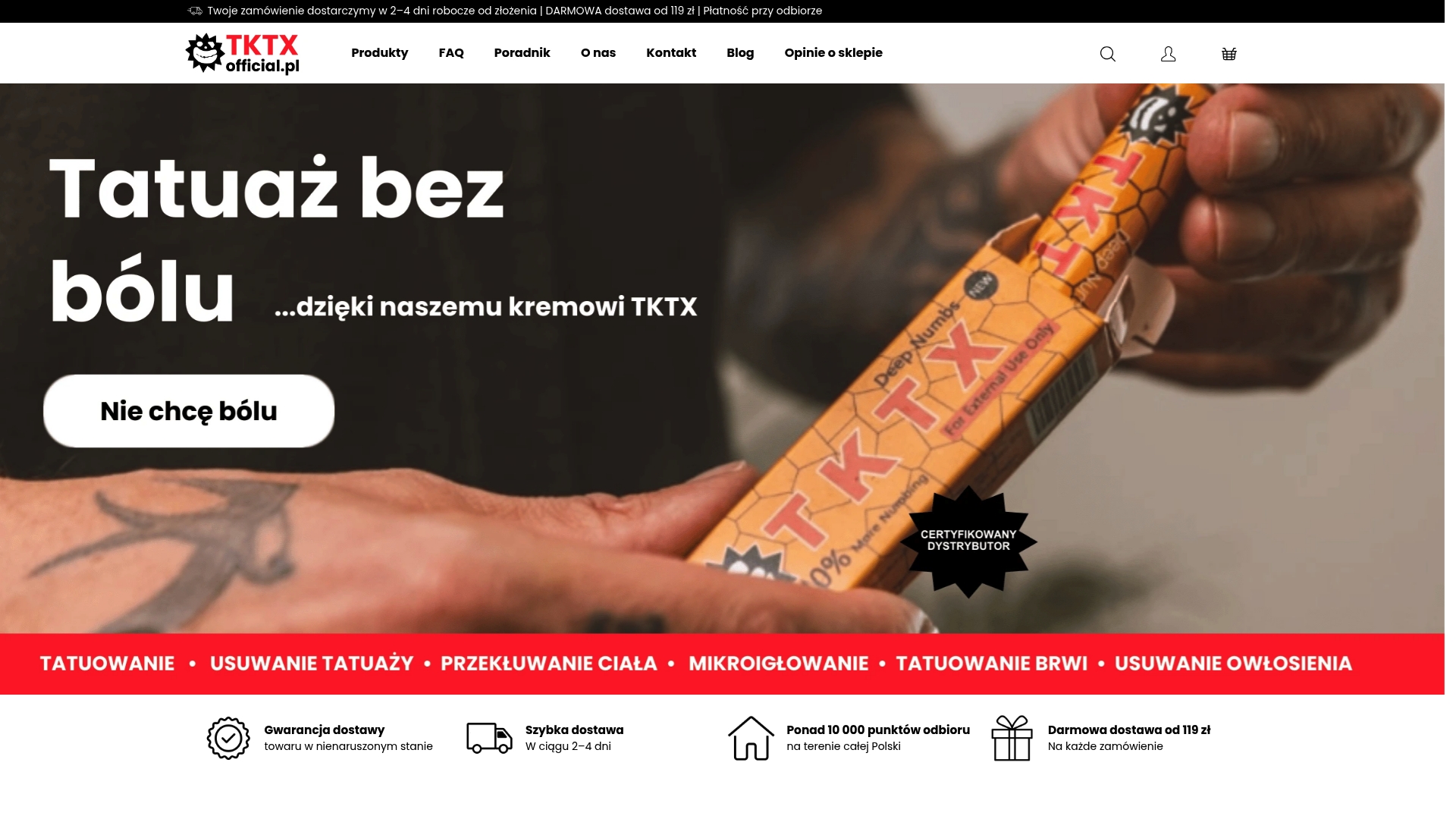
Postaw na sprawdzone rozwiązania oferowane przez TKTX, które idealnie wpisują się w wyzwania opisane w poradniku. Nasze kremy znieczulające dostępne są w różnych wariantach mocy, dzięki czemu dobierzesz produkt idealny do potrzeb Twojego klienta i długości sesji. Skorzystaj również z fachowych porad i materiałów edukacyjnych dostępnych na stronie, które pomogą Ci skutecznie przygotować klientów do zabiegu oraz monitorować ich komfort podczas tatuowania. Nie czekaj z poprawą jakości swoich usług – odwiedź już teraz https://tktxofficial.pl i wybierz produkt, który podniesie standard każdej sesji!
Najczęściej Zadawane Pytania
Jak skonsultować oczekiwania klienta przed tatuażem?
Aby skonsultować oczekiwania klienta, należy zadać pytania dotyczące jego wizji tatuażu, rodzaju skóry oraz ewentualnych alergii. Przeprowadź dokładną rozmowę, aby ustalić realistyczne oczekiwania co do projektu i procesu tatuowania.
Co powinienem sprawdzić w historii zdrowia klienta przed wykonaniem tatuażu?
Przed tatuażem sprawdź, czy klient nie ma przeciwwskazań zdrowotnych, takich jak choroby skóry, schorzenia krwi czy alergie. Przygotuj prosty formularz zdrowotny, który klienci wypełnią przed konsultacją, aby uniknąć komplikacji.
Jakie są najlepsze metody znieczulania podczas tatuowania?
Najlepszymi metodami znieczulania są stosowanie kremów z lidokainą lub prilokainą, które należy nałożyć na skórę na około 30-45 minut przed sesją. Zastosuj odpowiednią metodę aplikacji, aby zapewnić skuteczne znieczulenie i komfort klienta podczas tatuowania.
Jak przygotować skórę klienta przed zabiegiem?
Przygotuj skórę klienta, myjąc ją delikatnie antybakteryjnym mydłem i wodą, a następnie osuszając ją czystym ręcznikiem. Upewnij się, że skóra jest gładka i wolna od zanieczyszczeń, aby zapewnić lepsze przyjęcie tuszu.
Jakie instrukcje pielęgnacyjne powinienem przekazać klientowi przed tatuowaniem?
Poinstruuj klienta o zasadach, takich jak nawodnienie organizmu, unikanie alkoholu i leki rozrzedzające krew na 24 godziny przed zabiegiem. Przekaż mu również wskazówki dotyczące pielęgnacji skóry, takie jak unikanie słońca i peelingu w tygodniu poprzedzającym sesję.
Jak monitorować reakcje klienta podczas tatuowania?
Podczas tatuowania zwracaj uwagę na oznaki dyskomfortu, takie jak napięcie mięśni czy zmiana oddechu. Regularnie pytaj klienta o jego samopoczucie i bądź gotowy na dostosowanie techniki lub przerwy, jeśli zauważysz oznaki bólu.